A Review of Methods and Applications for a Heart Rate Variability Analysis
Comprehensive review discussing time-domain, frequency-domain, and non-linear HRV analysis methods for understanding autonomic cardiac function.
Access Publication →The objective biological window into human stress, autonomic resilience, and real-time performance readiness.
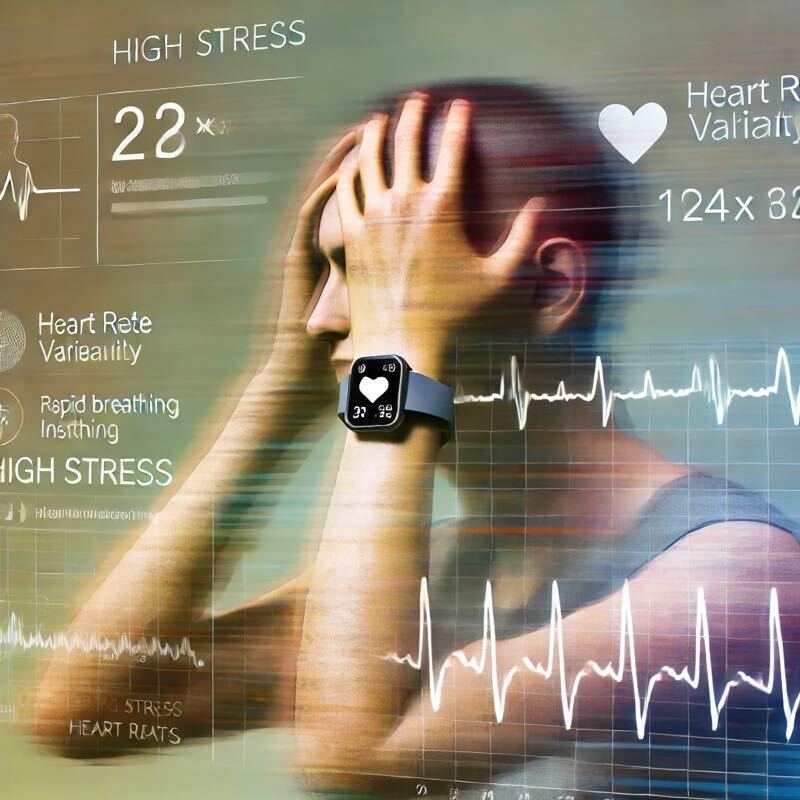
Millisecond fluctuations between heartbeats reveal autonomic nervous system balance.
Unlike heart rate, which focuses on beats per minute, HRV measures millisecond fluctuations between consecutive heartbeats — revealing the real-time adaptability of the nervous system to physical, mental, and environmental strain.
Indicates a flexible, healthy autonomic nervous system. Associated with active recovery, physiological resilience, and optimal cognitive decision-making.
Signals systemic stress, fatigue, or autonomic compromise due to physical overexertion, acute emotional overload, or chronic strain.
Time-domain measures (RMSSD) and frequency metrics (LF/HF ratio) isolate parasympathetic tone and sympathetic activation levels.
Integrating Artificial Intelligence with continuous HRV analytics unlocks predictive capabilities — transforming passive biometric monitoring into real-time personal guidance.
AI models detect subtle autonomic strain patterns before clinical burnout symptoms manifest, providing proactive workplace wellness protection.
Algorithms auto-detect stress recovery windows, giving targeted feedback when personnel need rest or peak focus.
Machine learning algorithms trained on continuous HRV streams identify early signs of cardiovascular and autonomic fatigue.
Continuous monitoring adapts guidance dynamically, adjusting personalized interventions as physiological conditions evolve.
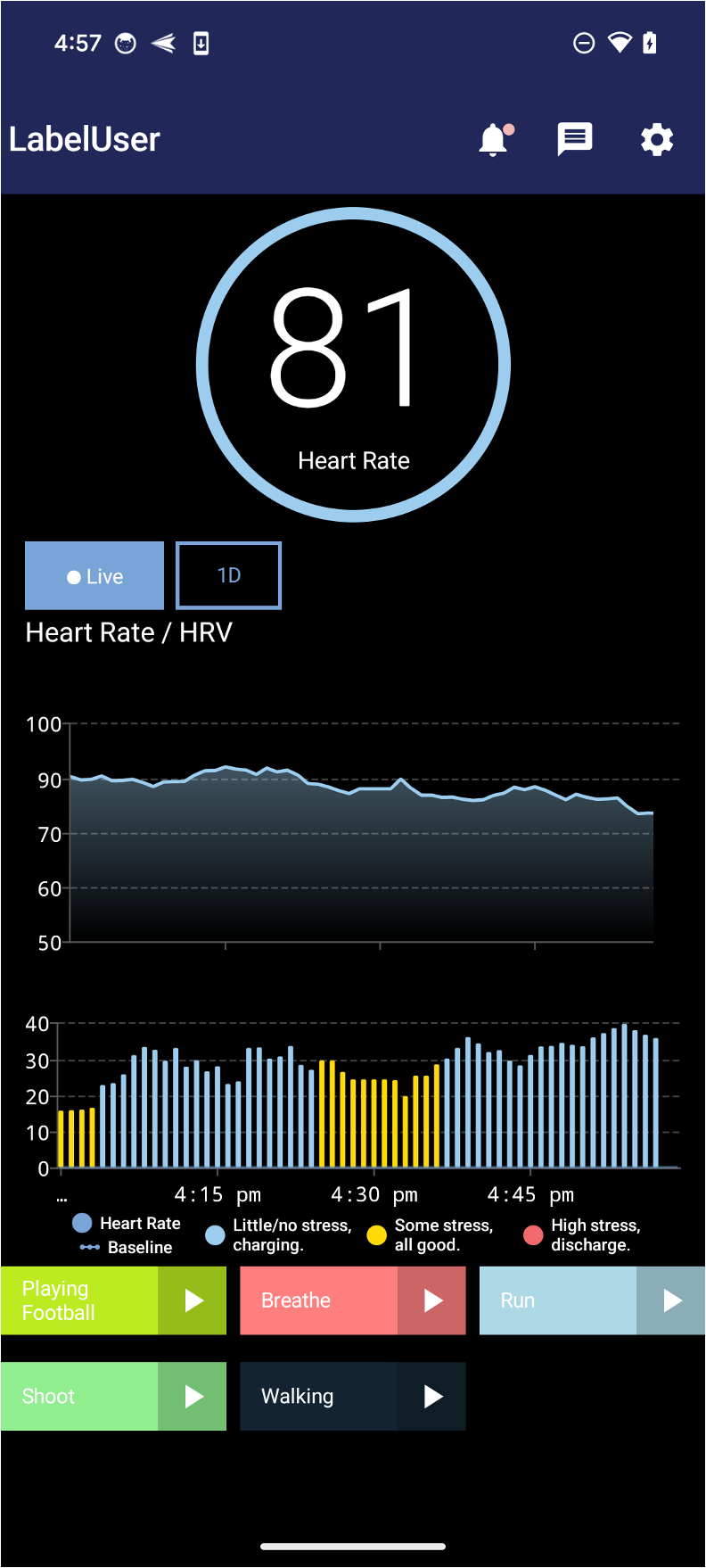
Helps first responders and athletes optimize readiness by forecasting physiological adaptability prior to critical assignments.
Predictive HRV models enhance decision-making confidence under high-pressure, high-stakes operational environments.
Provides dynamic feedback loops during breathing and recovery exercises, adapting in real time to HRV responses.
Delivers micro-interventions — like tactical breathing prompts — when elevated sympathetic stress is auto-detected.
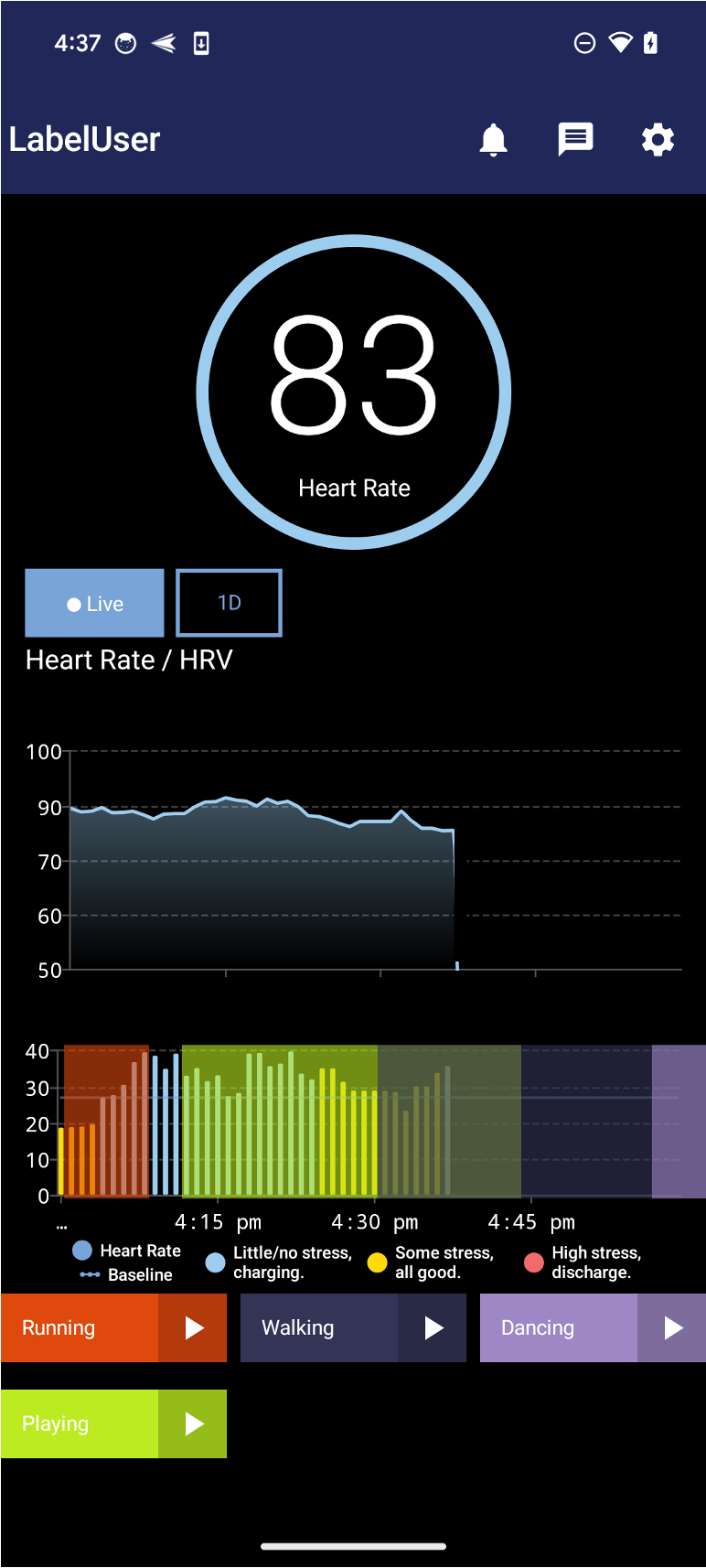
AI will enable continuous, closed-loop feedback mechanisms — establishing HRV as a cornerstone metric for preventive care, organizational wellness, and tactical operational readiness across industries.
Platforms like Code 4 Pro lead this shift, translating complex physiological signals into actionable intelligence that protects personnel health and improves decision-making when it matters most.
Peer-reviewed research and empirical studies validating heart rate variability as an objective measure of physiological strain, stress adaptation, and tactical decision-making.
This white paper evaluates how acute physiological stress directly impacts decision-making, spatial awareness, and motor performance during high-stakes police operations.
Read White Paper →Comprehensive review discussing time-domain, frequency-domain, and non-linear HRV analysis methods for understanding autonomic cardiac function.
Access Publication →Explores the autonomic nervous system mechanisms underlying HRV and practical protocols for real-time stress assessment.
Access Publication →Examines continuous HRV tracking to quantify autonomic recovery, prevent overtraining, and optimize athletic readiness.
Access Publication →Methodological standards for recording and interpreting HRV in tactical and high-performance exercise science.
Access Publication →Investigational applications of HRV metrics in cardiovascular risk stratification and autonomic dysfunction diagnostic monitoring.
Access Publication →Systematic evaluation of biofeedback interventions using HRV modulation to reduce sympathetic hyperarousal.
Access Publication →Essential guide detailing methodological standards, artifact correction, and short-term vs long-term HRV recording protocols.
Access Publication →The foundational Task Force standard establishing standard measurement guidelines and autonomic clinical interpretations.
Access Publication →Systematic review examining daily HRV tracking for load monitoring and sympathetic strain regulation in tactical personnel.
Access Publication →Highlights HRV as a crucial objective metric for individual recovery and systemic stress tracking.
Access Publication →By pairing biometric HRV sensors with sophisticated AI-based analytics, our solution delivers continuous stress awareness across high-impact professions.